Enjoy Freedom of Time
Let Star Valley Lawn Care take care of your lawn care and snow removal needs.
100% Risk-Free Guarantee
Quality and Service You Can Trust and Count On Every Time.
Star Valley Lawn Care is a team of professional experts focused exclusively on residential landscape maintenance and driveway snow removal. For lawn care, we serve Alpine, Etna, Freedom, Star Valley Ranch, Thayne, Bedford, Grover, Auburn, Fairview, and Afton Wyoming. For Snow Removal we serve Star Valley Ranch, Etna, Nordic Ranch, and Alpine Wyoming.
About Us
Star Valley Lawn Care was founded in March of 2008 by John and Rebecca White.
Our mission is to help make your life a little easier and stress-free while freeing your time to spend the way you want and making your lawn beautiful. We work to provide every client with quality lawn care and snow removal services they can trust and count on every time.
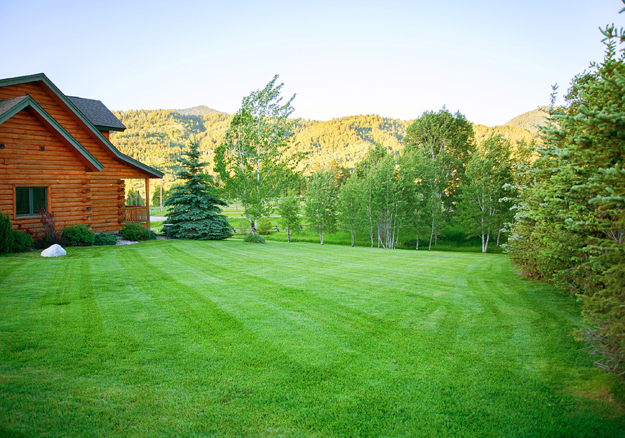
Fertilization and weed control
Let us keep your lawn weed-free and dark green!
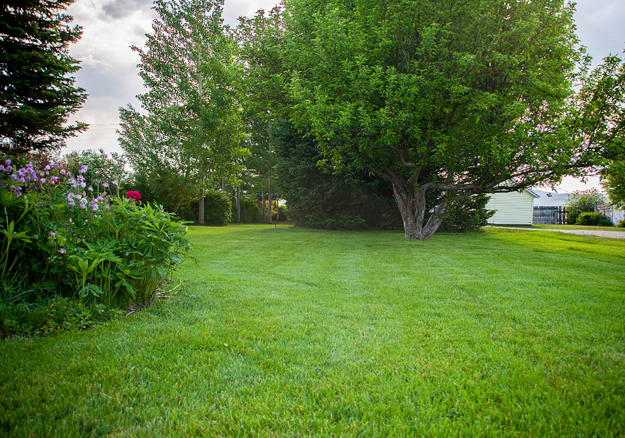
Weekly Mowing Services
Professional weekly mow, trim, and blowing off clippings from surfaces
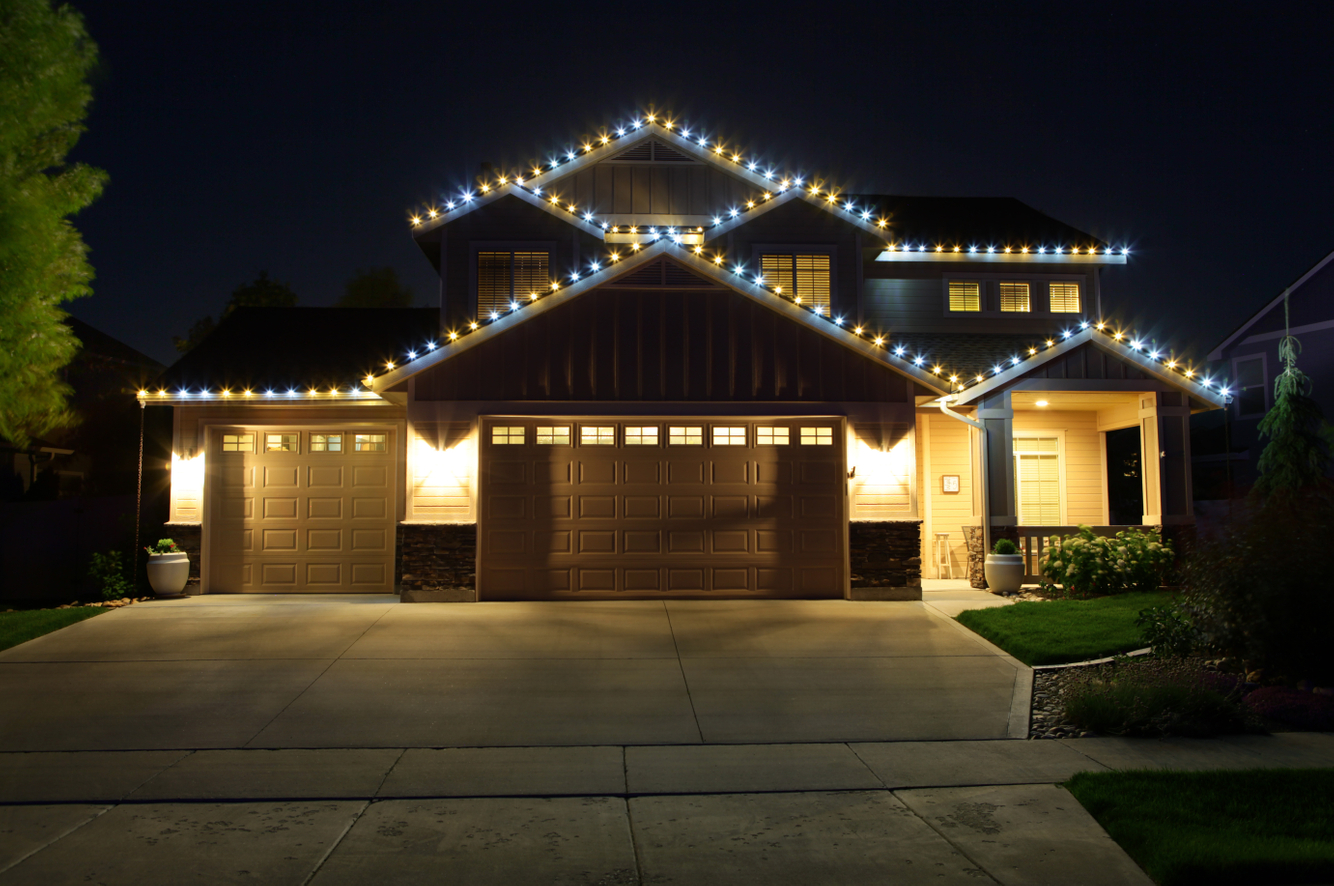
Holiday Lighting
Offering holiday lighting for the roofline of your home
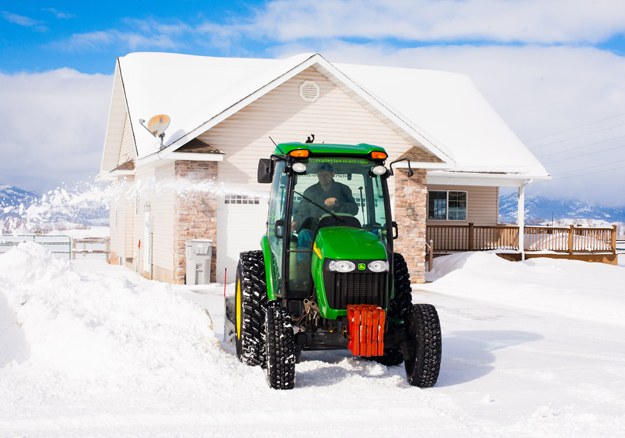
Snow Removal
Let us take care of your driveway all winter long